
Compare Local Contractors for Rail Fence Installation Success
Compare local contractors for rail fence installation to define project scope, verify experience, and set clear expectations in writing for a successful outcome.
Rail fence installation is a common project for property owners looking to define boundaries, enhance privacy, or improve the aesthetic appeal of outdoor spaces. This work typically involves selecting appropriate materials, preparing the site, and constructing the fence according to specified design preferences. Contractors may also handle tasks such as measuring the area, setting posts, and ensuring the structure is level and secure. Clarifying the scope of work early on helps ensure that all necessary steps are included and that expectations align with the project’s goals.
Defining the scope of rail fence installation is an important step in working with local contractors. A clear scope includes details about the fence’s length, height, style, materials, and any additional features like gates or decorative elements. Having these specifics documented helps prevent misunderstandings and provides a basis for comparing different service providers. It also allows property owners to verify whether a contractor has experience with similar projects and to assess if their proposed approach aligns with the desired outcome.
When evaluating local contractors for rail fence installation, property owners should consider their experience with similar projects and their ability to deliver detailed, written estimates that outline the scope of work. Comparing the scope, methods, and communication style of different service providers can help identify those who are thorough and transparent. Asking about previous work or requesting references can also provide insight into a contractor’s expertise. Ultimately, choosing a contractor who clearly understands the project requirements and can articulate the scope in writing helps establish a solid foundation for a successful installation.
Compare local contractors by outlining your project priorities, verifying experience, and establishing clear written expectations.
- Compare Contractor Experience - Review the background and project history of local contractors to ensure they have relevant experience.
- Define Project Scope Clearly - Establish detailed project requirements and expectations to align with the chosen service provider.
- Verify Credentials and References - Check references and verify the credentials of local contractors to assess their reliability.
- Document Agreements in Writing - Ensure all project details, responsibilities, and expectations are outlined in a formal agreement.
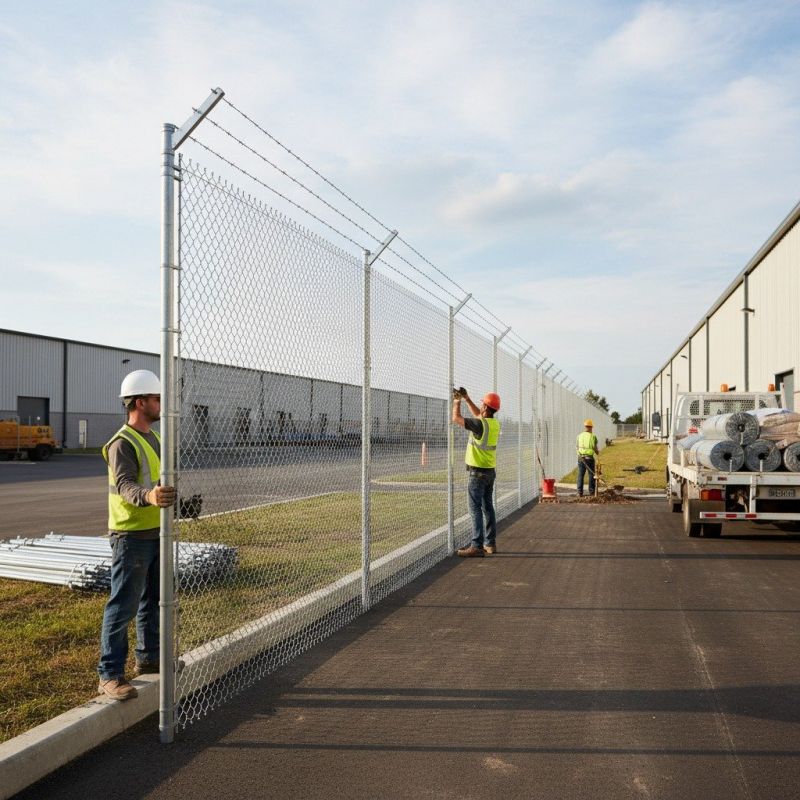
Clearly describe your rail fence project and compare local contractors based on experience, scope, and written expectations.
- Verify experience and references for rail fence installation projects similar in scope and style. - Ensuring contractors have relevant experience helps confirm their capability to handle the specific requirements of the job.
- Compare scope of work and materials included to ensure clarity and alignment with project expectations. - Clear communication about the scope helps prevent misunderstandings and sets proper expectations.
- Check that contractors provide detailed written estimates outlining the work, materials, and responsibilities. - Written documentation helps compare proposals and ensures all parties agree on project details.
- Assess the contractor’s understanding of local regulations and zoning requirements related to fence installation. - Ensuring compliance can prevent future legal or permit issues.
- Discuss project timeline expectations and milestones to establish a shared understanding of the process. - Clear timelines help coordinate project phases and prevent delays.
- Confirm that the contractor’s proposed design and materials match your preferences and functional needs. - Ensuring alignment on design and materials helps achieve the desired aesthetic and durability.
Compare local contractors’ experience and clarify project scope to ensure a smooth fence installation.
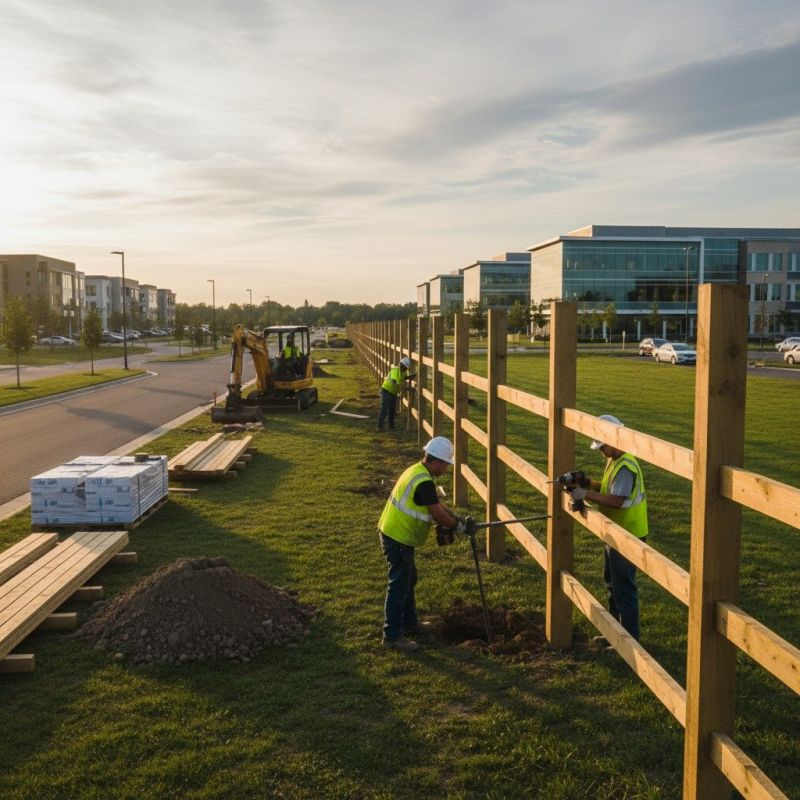


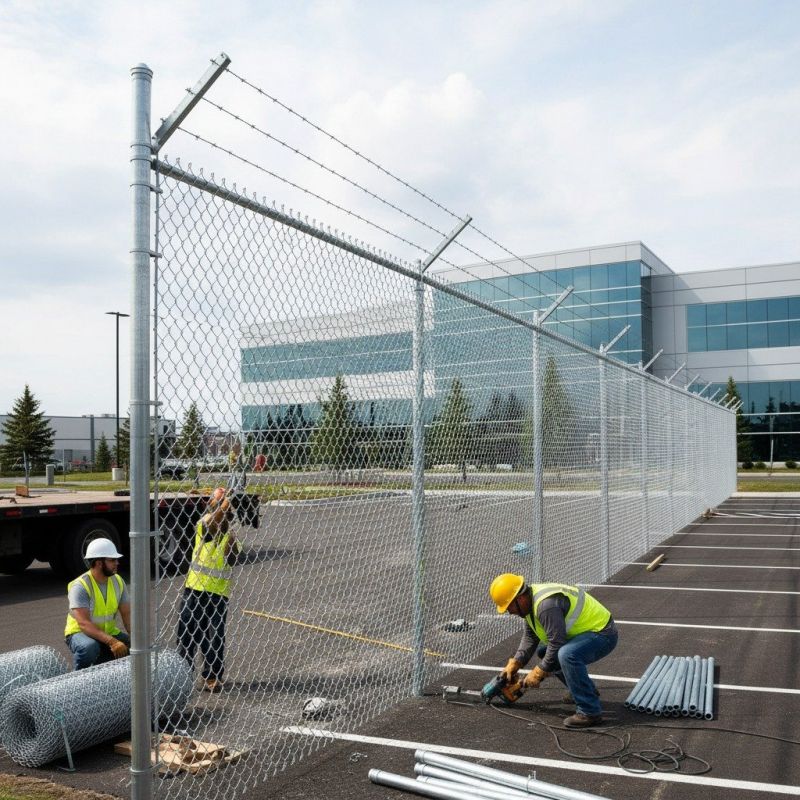
This scope builder helps you compare local contractors, define project details, verify experience, and set clear expectations.
- Define project scope - clearly outline the size, design, and materials for the rail fence to ensure mutual understanding.
- Verify experience - confirm that local contractors have relevant experience with rail fence installation projects.
- Establish expectations in writing - document the scope, materials, and responsibilities to prevent misunderstandings.
- Assess reputation and references - review feedback and ask for references to gauge the quality of previous work.
- Compare multiple service providers - evaluate different local contractors to identify the most suitable option for the scope of work.
Experience with similar projects is a key factor when comparing contractors for rail fence installation. Homeowners should inquire about the number and types of fencing projects a service provider has completed that resemble their own in scope and design. Contractors with a history of working on rail fences can offer insights into common challenges and effective solutions, helping to ensure the project proceeds smoothly. Verifying this experience through references or a portfolio of past work can provide a clearer picture of a contractor’s familiarity with rail fencing specifics and their ability to handle the unique aspects of the installation.
Having a clear, written scope of work is essential for setting expectations and avoiding misunderstandings. A detailed description should outline the materials to be used, the dimensions and layout of the fence, and any preparatory or finishing tasks involved. Homeowners should request a written outline from service providers to ensure all parties agree on what the project entails before work begins. This document serves as a reference point throughout the process and helps maintain transparency, reducing the risk of surprises or disagreements later on.
Verification basics are fundamental when evaluating local contractors for rail fence installation. Homeowners should confirm that the service providers have the necessary experience and references to support their claims. Checking references or reviews can reveal insights into the contractor’s reliability and quality of work. Additionally, confirming that the contractor understands local regulations and permits-if applicable-can help prevent potential delays or compliance issues. Gathering this information early creates a foundation for informed decision-making and a smoother project experience.
When comparing options among local service providers, it is important to assess their communication and professionalism. Homeowners should ask how they plan to approach the project and request detailed explanations of their proposed methods. Clarifying the scope, timeline, and responsibilities in writing helps set realistic expectations and minimizes misunderstandings. By focusing on how well a contractor articulates their process and demonstrates a thorough understanding of rail fence installation, homeowners can make more confident choices based on expertise, clarity, and professionalism, rather than price or promotional claims.
Ask contractors to provide written scope details to ensure clear expectations and consistent project understanding.
- Experience and Expertise - What specific experience do local contractors have with rail fence installation projects?
- Scope of Work - How do contractors define and clarify the scope of the rail fence installation to ensure all expectations are aligned?
- Materials and Design - What options do service providers offer for materials and design to match your property’s needs?
- Project Details - How do local contractors document the project scope, including materials, dimensions, and finishings, in writing?
- Comparison Factors - What criteria should be used to compare different service providers beyond pricing to assess their suitability?
How can I compare contractors for rail fence installation? To compare local contractors, review their experience, check references if available, and ensure their scope of work aligns with project needs. Gathering multiple proposals helps in assessing different approaches and expectations.
What should I include in the scope of work when hiring a contractor? Clearly define the project details, materials to be used, dimensions, and any specific design preferences. Writing these expectations down helps prevent misunderstandings and ensures all parties are aligned.
How can I verify a contractor’s experience with rail fence installation? Ask for a list of past projects, request references, or look for examples of similar work. Confirming prior experience can provide confidence in the contractor’s ability to handle the job effectively.
Why is it important to have a written agreement with a contractor? A written agreement outlines the scope, responsibilities, and expectations, reducing the risk of misunderstandings and providing a clear reference for the project’s details.
What questions should I ask a contractor before hiring for rail fence work? Inquire about their experience, the materials they recommend, the process they follow, and how they handle project changes or issues that may arise during installation.
How can I ensure the scope of work is realistic and comprehensive? Discuss all project aspects in detail, including measurements, materials, and finishes, and request a written outline. Clear communication helps set accurate expectations for the project.
Homeowners now have the information needed to compare local contractors for rail fence installation by understanding how to define the scope of work, verify experience, and set clear expectations in writing. This approach helps ensure that the project details are transparent and aligned with personal preferences, making it easier to evaluate options effectively.
Using the quote form allows visitors to connect with qualified service providers in their area, enabling them to explore multiple options and make informed decisions. Taking the time to compare local contractors can lead to a smoother project experience tailored to specific needs.